Tree Trunk Removal in Calvert County, MD
Tree trunk removal services involve the careful removal of large, unwanted, or hazardous tree sections from a property. This process is commonly requested for trees that have become damaged, diseased, or pose a safety risk, as well as for clearing space for new landscaping or construction projects. Property owners should consider the size and location of the trunk, potential obstacles around the site, and any local regulations or permits that may be required before requesting this service.
Before requesting tree trunk removal, homeowners typically want to understand the scope of work involved, including whether the entire trunk will be removed or if only certain sections are targeted. It is also helpful to know if the service includes cleanup and stump removal afterward, as well as any considerations regarding nearby structures or utility lines. Clarifying these details ensures the project aligns with property goals and safety standards.
Many property owners in Calvert County, MD look into Tree Trunk Removal for repairs, replacements, upgrades, and appearance-related improvements.
Tree Trunk Removal Options
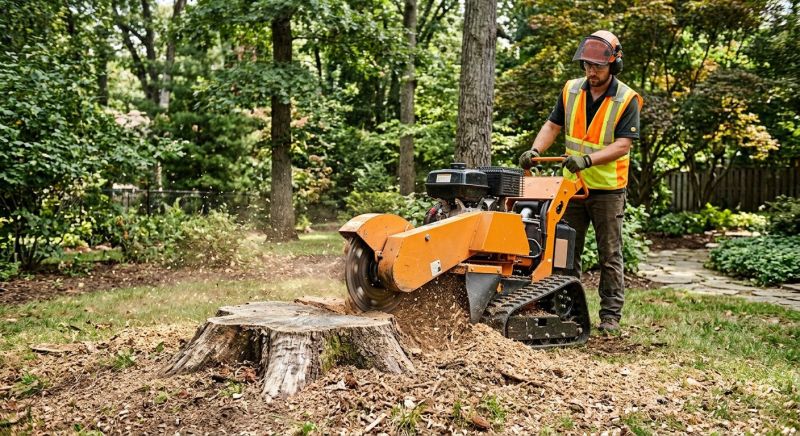
Removing large tree trunks to clear space and improve safety on residential and commercial properties in calvert county.
Safety And Property Protection
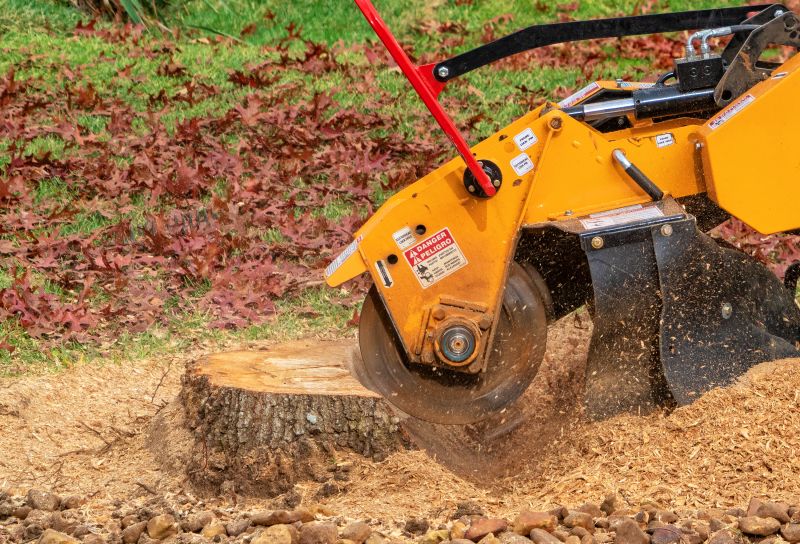
Ensuring that tree trunk removal minimizes risks to structures, landscaping, and nearby areas.
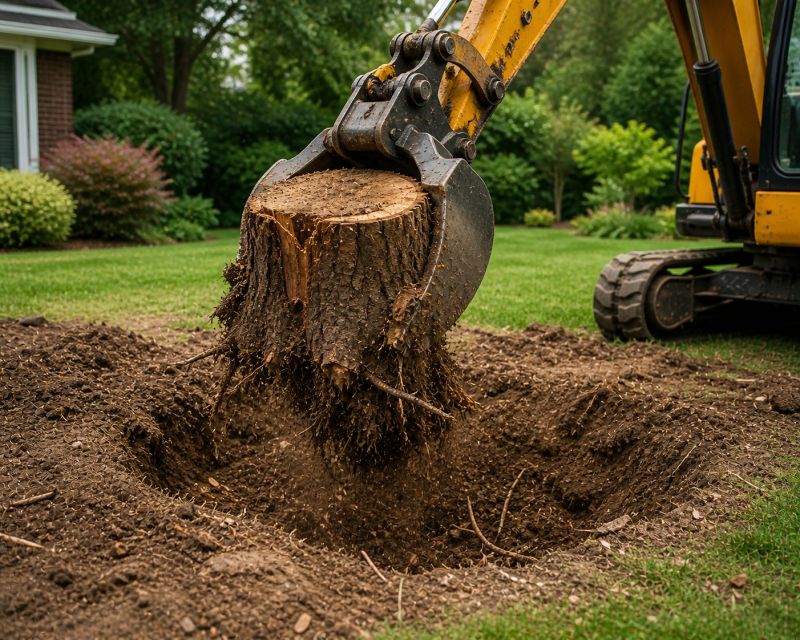
Stump And Debris Cleanup
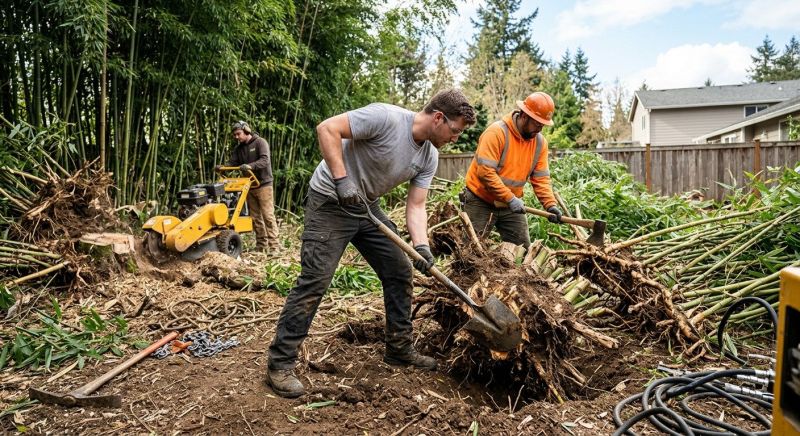
Comprehensive removal of tree trunks, stumps, and associated debris for a clean and safe outdoor environment.
Tree Trunk Removal in Calvert County, MD
Tree trunk removal services involve the careful removal of large, unwanted, or hazardous tree sections from a property. This process is commonly requested for trees that have become damaged, diseased, or pose a safety risk, as well as for clearing space for new landscaping or construction projects. Property owners should consider the size and location of the trunk, potential obstacles around the site, and any local regulations or permits that may be required before requesting this service.
Before requesting tree trunk removal, homeowners typically want to understand the scope of work involved, including whether the entire trunk will be removed or if only certain sections are targeted. It is also helpful to know if the service includes cleanup and stump removal afterward, as well as any considerations regarding nearby structures or utility lines. Clarifying these details ensures the project aligns with property goals and safety standards.
Many property owners in Calvert County, MD look into Tree Trunk Removal for repairs, replacements, upgrades, and appearance-related improvements.
Common Tree Trunk Removal Jobs
Tree trunk removal involves safely eliminating large tree sections that pose hazards or are no longer healthy.
Stump removal clears remaining tree bases to prevent regrowth and improve landscape appearance.
Hazardous trunk removal addresses trees with damaged or decayed trunks that threaten property safety.
Storm-damaged trunk removal removes broken or fallen trunks caused by severe weather events.
Selective trunk removal targets specific trunks to shape the tree’s structure or reduce its size.
Overgrown trunk removal reduces excessive trunk growth to maintain tree health and aesthetic balance.
Tree Trunk Removal Questions
When is trunk removal necessary? Trunk removal is often needed when a tree poses a safety risk, has extensive decay, or is damaged beyond repair.
What are common reasons for removing a tree trunk? Common reasons include storm damage, disease, structural instability, or to clear space for construction or landscaping.
How does trunk removal impact property safety? Removing a problematic trunk reduces the risk of falling branches or the trunk itself causing damage or injury.
What should property owners consider before trunk removal? It's important to evaluate the tree’s condition, location, and potential impact on surrounding structures or landscape features.
Request Tree Trunk Removal in Calvert County, MD
Use the quote form on this page to share the basics of your project and request more information for the type of work you need.