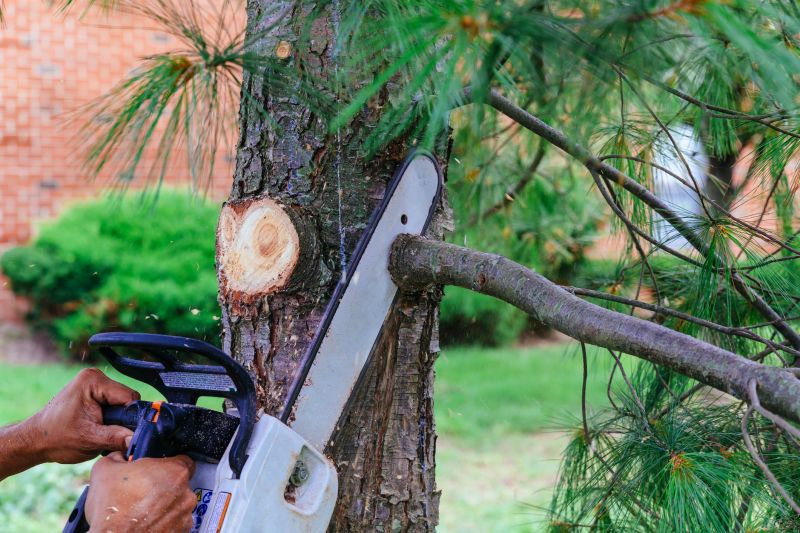
Dead Branch Removal in Doylestown, PA
Dead branch removal services involve the safe and efficient removal of dead, damaged, or overgrown branches from trees on residential properties. This process helps maintain the health and appearance of trees, reduces the risk of falling limbs during storms, and prevents potential damage to structures, vehicles, or power lines. Projects can range from removing a single hazardous branch to comprehensive pruning of entire trees, especially in cases where deadwood poses safety concerns or obstructs views and sunlight.
Homeowners considering dead branch removal often want to understand which branches should be removed for safety and tree health, as well as how the process might impact the overall appearance of their landscape. It’s also common to inquire about the best timing for removal and any potential effects on tree growth. Knowing the scope of work and what to expect can help property owners make informed decisions about maintaining their trees and ensuring the safety of their outdoor spaces.
Many property owners in Doylestown, PA look into Dead Branch Removal for repairs, replacements, upgrades, and appearance-related improvements.
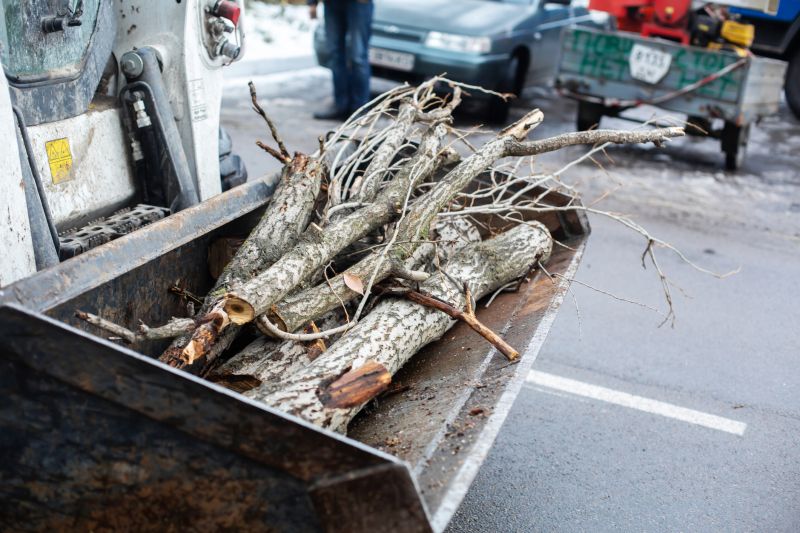
Hazard Prevention
Removing dead branches reduces the risk of falling and property damage.
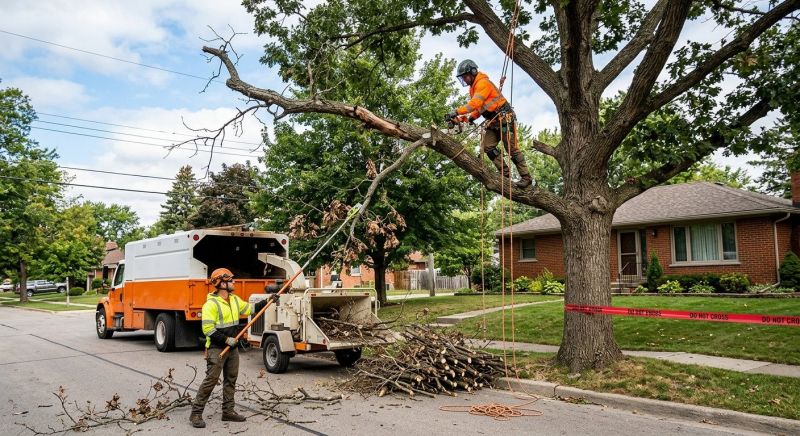
Tree Health
Eliminating dead wood helps maintain the overall health and safety of trees.
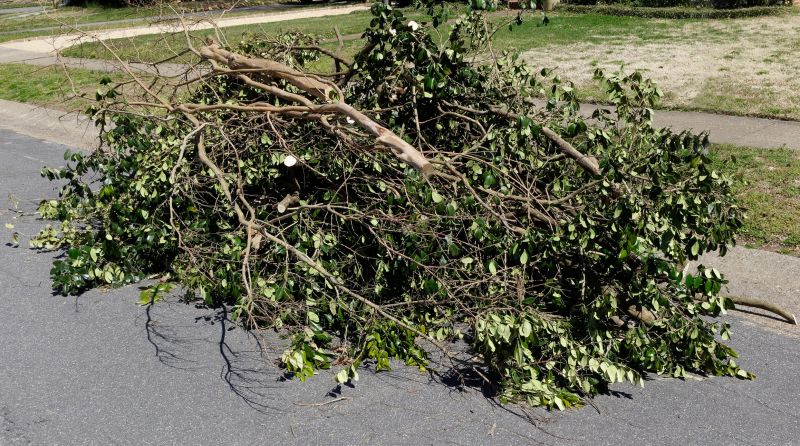
Aesthetic Improvement
Dead branch removal enhances the appearance and curb appeal of properties in doylestown, pa.
Dead Branch Removal in Doylestown, PA
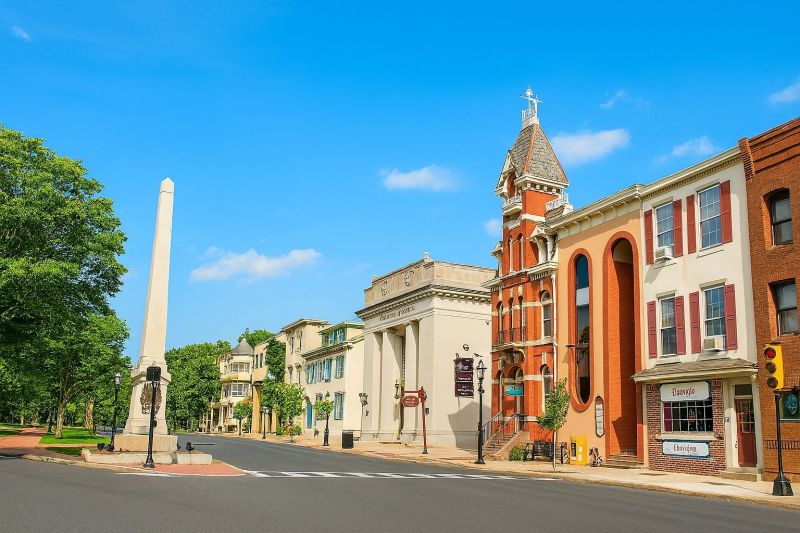
Dead branch removal services involve the safe and efficient removal of dead, damaged, or overgrown branches from trees on residential properties. This process helps maintain the health and appearance of trees, reduces the risk of falling limbs during storms, and prevents potential damage to structures, vehicles, or power lines. Projects can range from removing a single hazardous branch to comprehensive pruning of entire trees, especially in cases where deadwood poses safety concerns or obstructs views and sunlight.
Homeowners considering dead branch removal often want to understand which branches should be removed for safety and tree health, as well as how the process might impact the overall appearance of their landscape. It’s also common to inquire about the best timing for removal and any potential effects on tree growth. Knowing the scope of work and what to expect can help property owners make informed decisions about maintaining their trees and ensuring the safety of their outdoor spaces.
Many property owners in Doylestown, PA look into Dead Branch Removal for repairs, replacements, upgrades, and appearance-related improvements.
Common Dead Branch Removal Jobs
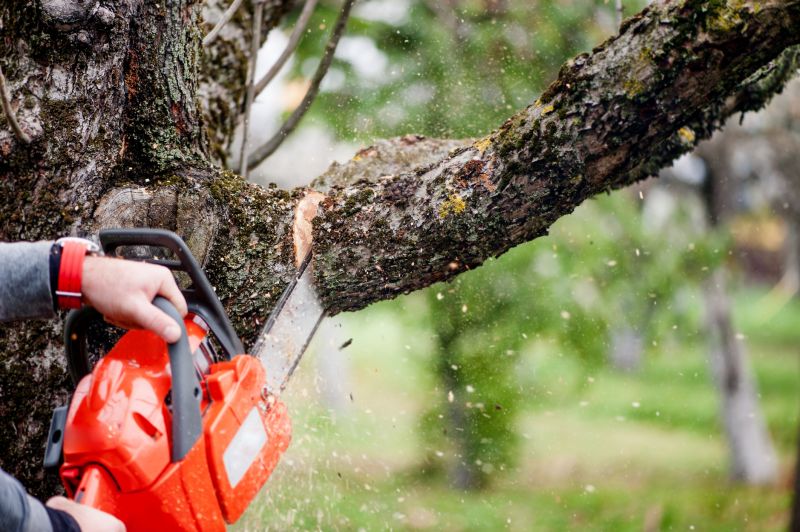
Dead branch removal services help prevent potential hazards caused by overgrown or unstable limbs.
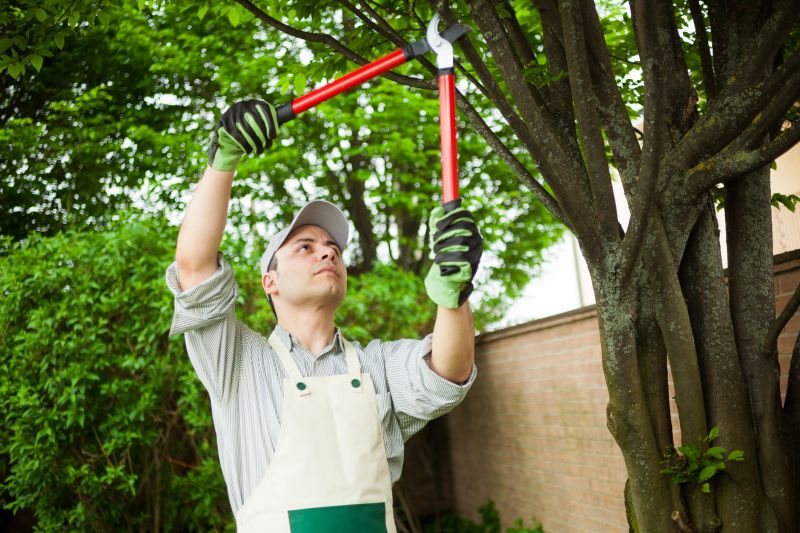
Tree trimming specialists safely eliminate dead or damaged branches to promote healthy growth.
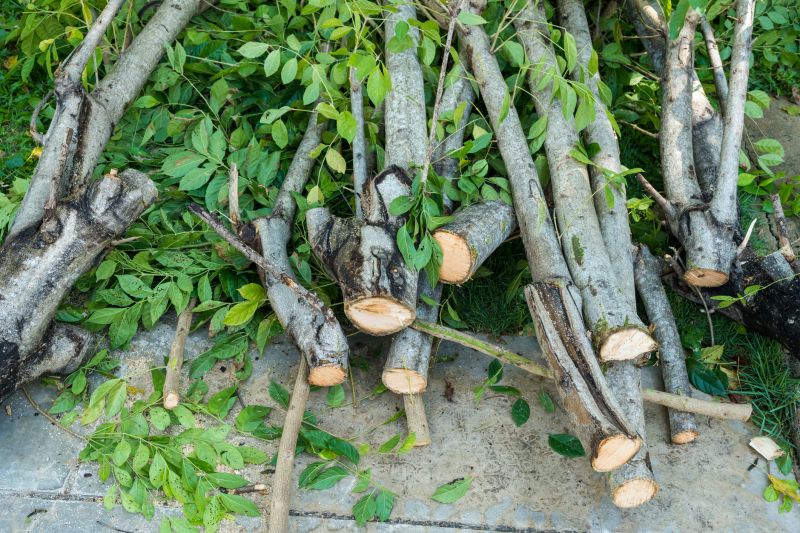
Removing dead branches reduces the risk of falling debris during storms or high winds.
Proper dead branch removal can improve the overall appearance and health of trees.
Removing hazardous branches helps protect nearby structures, vehicles, and pedestrians.
Professional dead branch removal ensures the safety and longevity of trees on the property.
Dead Branch Removal Questions
Why should dead branches be removed from trees? Removing dead branches helps prevent potential hazards, reduces the risk of falling, and promotes overall tree health.
How can I tell if a branch is dead? Signs include discoloration, brittleness, absence of leaves during the growing season, and visible decay or damage.
Is dead branch removal safe for my trees? Yes, when performed properly, it minimizes damage and supports the tree’s natural growth processes.
What types of trees benefit from dead branch removal? Most deciduous and evergreen trees can benefit, especially those with heavy or overhanging branches near structures or walkways.
Request Dead Branch Removal in Doylestown, PA
Use the quote form on this page to share the basics of your project and request more information for the type of work you need.