Dead Branch Removal in San Jose, CA
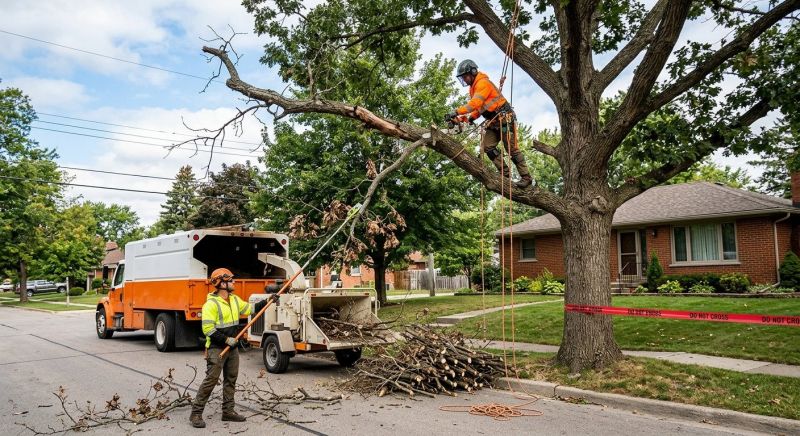
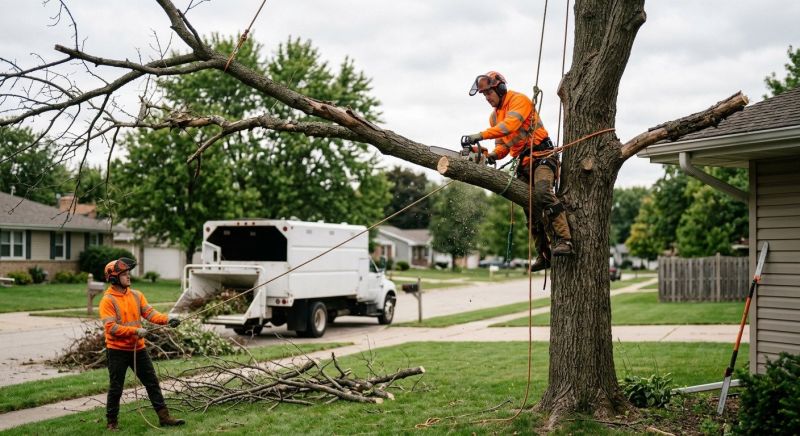
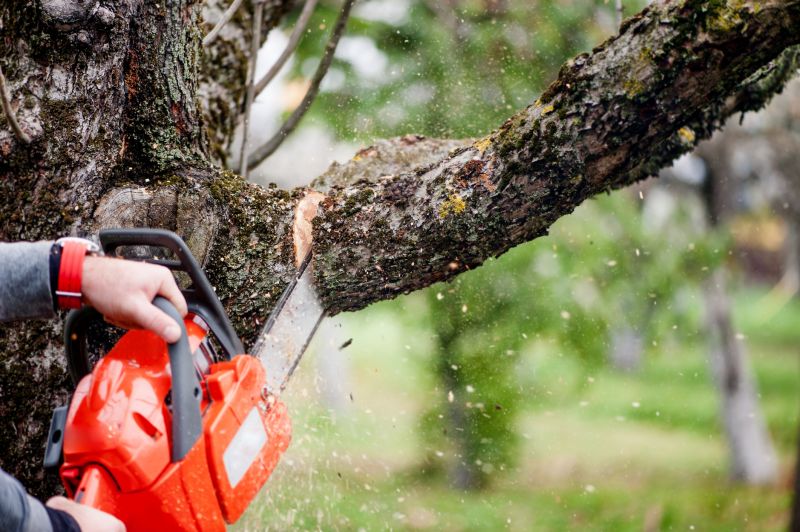
Dead branch removal services focus on safely trimming and removing dead or damaged limbs from trees and shrubs on residential properties. This service is essential for maintaining the health and appearance of trees, preventing potential hazards such as falling branches, and promoting new growth. Projects typically involve identifying and removing dead or weakened branches that may pose a risk during storms or high winds, as well as clearing away debris to improve outdoor safety and aesthetics.
Homeowners often seek dead branch removal when they notice branches that are broken, diseased, or no longer healthy. Before requesting this service, property owners usually want to understand the scope of work involved, including which branches will be removed and how the process may impact the overall tree health. Clarifying expectations about the timing, tools used, and any necessary precautions can help ensure the project aligns with property maintenance goals.
Many property owners in San Jose, CA look into Dead Branch Removal for repairs, replacements, upgrades, and appearance-related improvements.
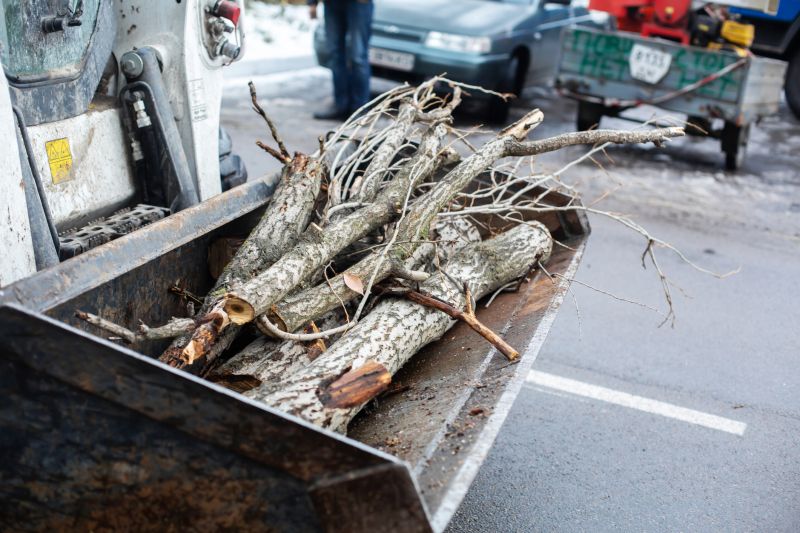
Dead Branch Removal Services
Examples of dead branch removal work property owners may explore in san jose, ca.
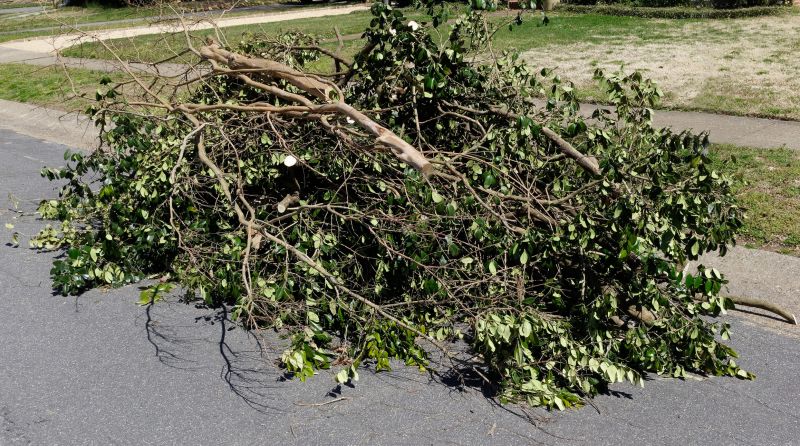
Dead Branch Removal Updates
Common ways people refresh, improve, or restore dead branch removal features in san jose, ca.
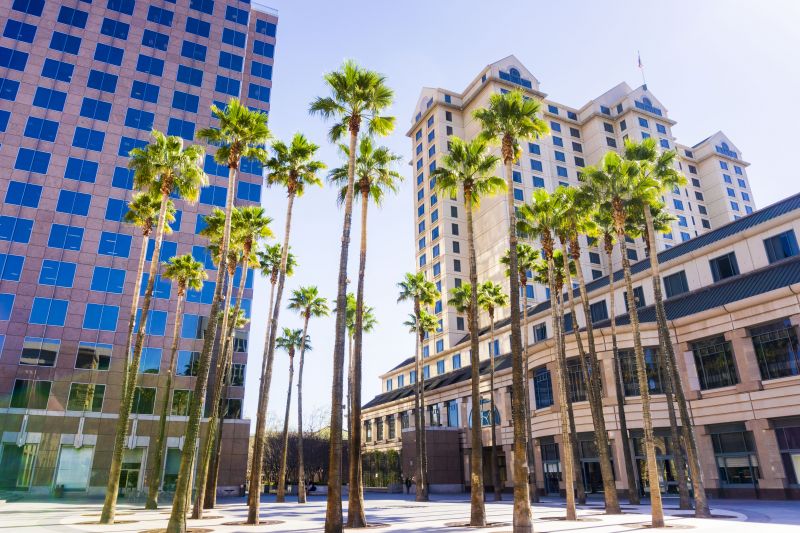
Dead Branch Removal Options
Different styles, layouts, and finishes people consider for dead branch removal in san jose, ca.
Dead Branch Removal in San Jose, CA
Dead branch removal services focus on safely trimming and removing dead or damaged limbs from trees and shrubs on residential properties. This service is essential for maintaining the health and appearance of trees, preventing potential hazards such as falling branches, and promoting new growth. Projects typically involve identifying and removing dead or weakened branches that may pose a risk during storms or high winds, as well as clearing away debris to improve outdoor safety and aesthetics.
Homeowners often seek dead branch removal when they notice branches that are broken, diseased, or no longer healthy. Before requesting this service, property owners usually want to understand the scope of work involved, including which branches will be removed and how the process may impact the overall tree health. Clarifying expectations about the timing, tools used, and any necessary precautions can help ensure the project aligns with property maintenance goals.
Many property owners in San Jose, CA look into Dead Branch Removal for repairs, replacements, upgrades, and appearance-related improvements.
Common Dead Branch Removal Jobs
Dead Branch Removal Services - removing hazardous or dead branches to improve tree health and safety.
Tree Pruning and Dead Branch Removal - trimming and removing dead or diseased branches to maintain tree structure.
Emergency Dead Branch Removal - addressing fallen or unstable branches that pose immediate risks.
Crown Thinning and Dead Branch Removal - reducing weight and wind resistance by removing dead limbs from the canopy.
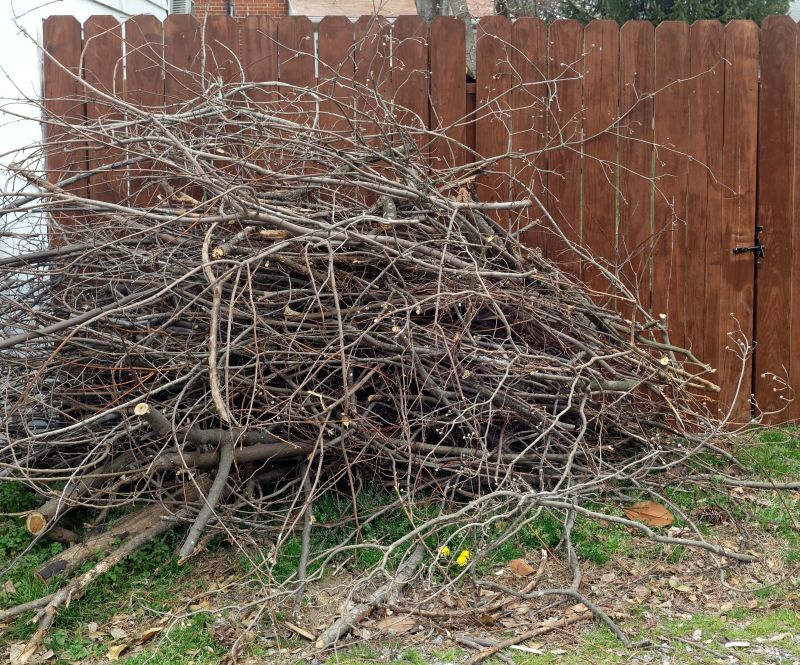
Storm Damage Cleanup - clearing broken or fallen dead branches after severe weather events.
Property Protection Services - removing dead branches that threaten power lines, roofs, or walkways.
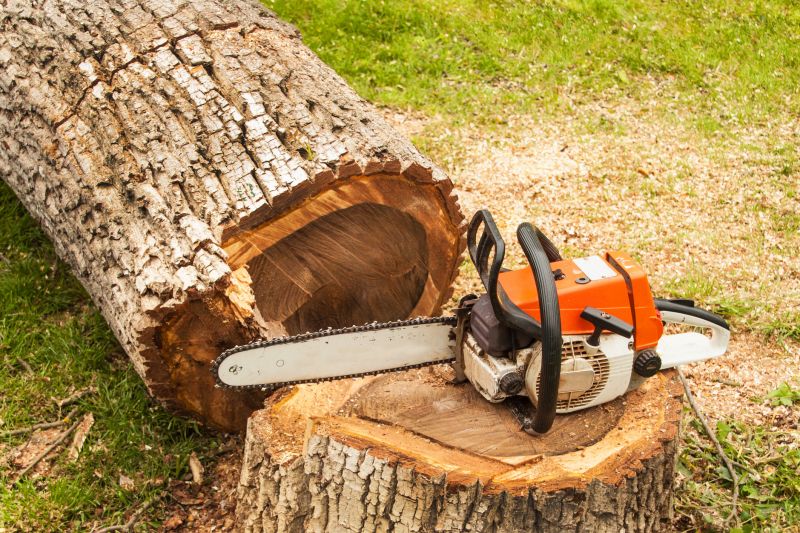
Dead Branch Removal Questions
Why should dead branches be removed? Removing dead branches helps prevent potential damage to property and reduces the risk of falling limbs that could cause injury.
What types of trees benefit from dead branch removal? Most tree species with overhanging or hazardous branches can benefit from dead branch removal to maintain health and safety.
Is dead branch removal necessary for tree health? Yes, removing dead branches can improve overall tree health by allowing better airflow and reducing disease risk.
When is the best time to remove dead branches? Dead branches can be removed at any time of year, but it’s often done during regular pruning to maintain safety and appearance.
Request Dead Branch Removal in San Jose, CA
Use the quote form on this page to share the basics of your project and request more information for the type of work you need.